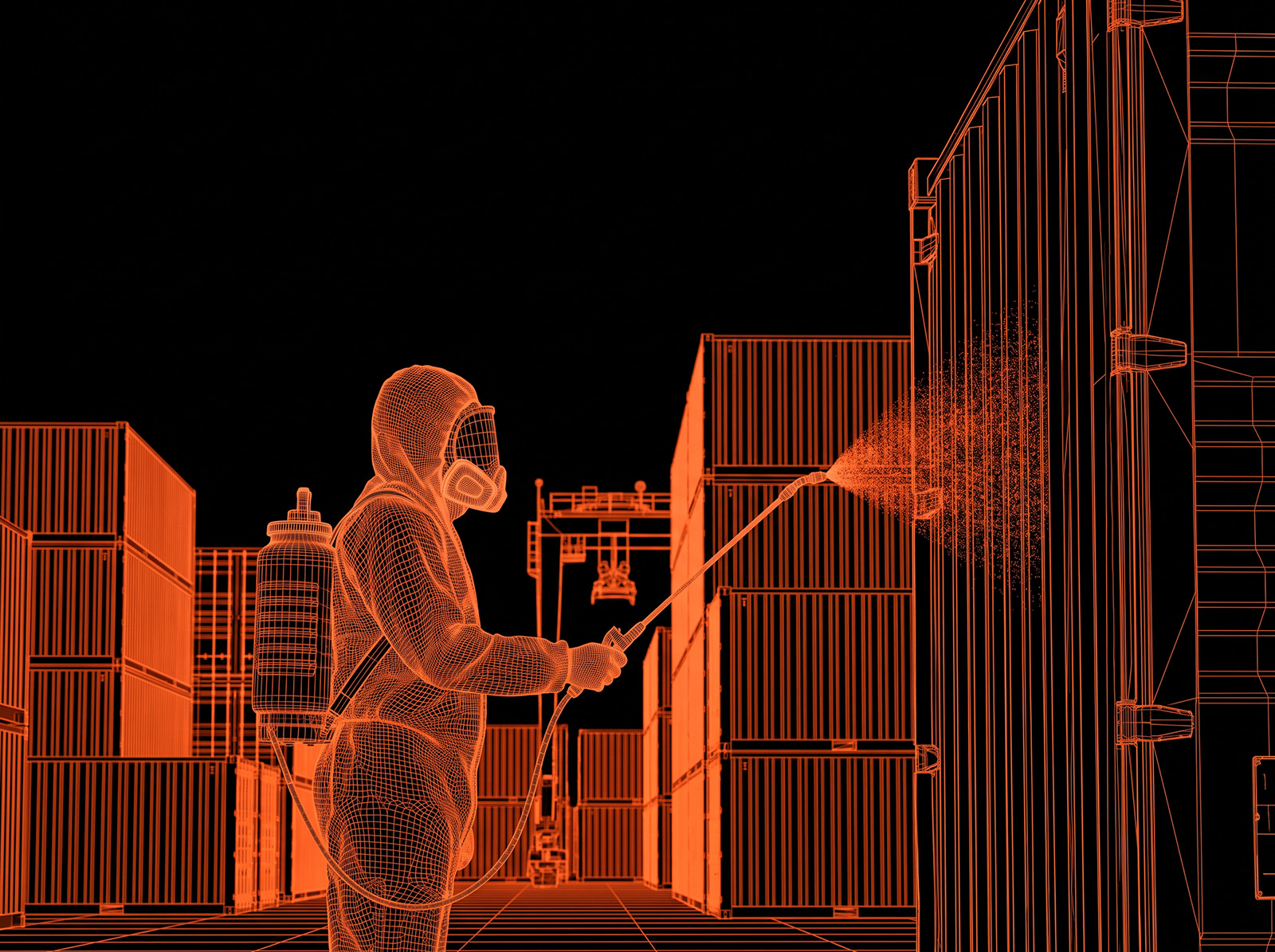



Protecting cargo from pests and pathogens – and keeping your imports compliant with strict biosecurity requirements wherever your freight is headed.
Overview
Transam offers supply chain solutions that connect people, products, and places. By integrating sea and airfreight services with trucking, customs brokerage, warehousing, documentation, and more, we deliver seamless and custom-tailored end-to-end logistics.

Biosecurity regulations require treatment for many commodity types and packaging materials. We ensure your fumigation meets regulatory standards and is correctly certified for border clearance.
Fumigation eliminates pests and organisms that could damage your cargo in transit or storage. Treatment at origin means your goods arrive clean and ready for use.
Non-compliant or untreated cargo is held, treated, or returned at the border – at your cost. Getting fumigation right before departure avoids expensive border interventions.
We manage FCL and LCL fumigation as well as the documentation required to satisfy biosecurity authorities at destination.
Full container fumigation for FCL shipments, applied at origin or at our facility prior to vessel loading. Treatment is documented and certified to the required standard.
For smaller consignments moving in shared containers, we coordinate fumigation in conjunction with the consolidation process – ensuring all cargo within the container meets treatment requirements.
We prepare and manage all fumigation certificates, treatment records, and compliance documentation – ensuring the paperwork meets border authority requirements at every destination.

Fumigation services to meet the treatment and biosecurity requirements that apply to different cargo, destinations, and markets
01
Solid wood packaging, timber, and wood products are common carriers of wood-boring insects. We apply appropriate treatment, including methyl bromide or heat, and certify compliance with ISPM 15 requirements.
02
General fumigation to eliminate insects, mites, and mould from cargo – particularly relevant for agricultural products, grain, and commodity goods susceptible to infestation.
03
A chemical-free alternative to methyl bromide, heat treatment raises cargo temperature to the level required to eliminate pests. It is increasingly preferred for certain commodity types and some destination market requirements.
04
Methyl bromide fumigation remains a standard treatment for many biosecurity pathways, particularly for timber and agricultural goods. We manage treatment at approved facilities with certified applicators.

Not all imports require fumigation, but many do – particularly goods involving solid wood packaging, timber, fresh produce, and certain agricultural products. Regulatory bodies assess risk based on commodity type and country of origin. We advise clients on requirements specific to their goods before they ship, ensuring treatment is arranged where needed and documentation is correct.
Heat treatment involves raising the temperature of cargo or a container to a level lethal to target pests, typically 56°C for a sustained period. It leaves no chemical residue and is required or preferred for some destination markets. Chemical fumigation (commonly methyl bromide) uses a gas applied in sealed conditions to achieve the same biosecurity outcome. The appropriate method depends on the commodity type, destination country requirements, and the specific pest risk being managed.
Treatment time depends on the method used. Chemical fumigation typically requires 24–48 hours including aeration time before the container can be safely opened. Heat treatment timelines vary based on the cargo volume and the equipment used. We schedule treatment to align with your vessel booking, so fumigation doesn’t delay your departure date.
Yes. We coordinate treatment through approved fumigation providers and manage the issuance of the required certificates – including phytosanitary certificates, ISPM 15 compliance documentation, and any additional documentation required for the specific commodity pathway. All documentation is prepared to the standard required for border clearance.
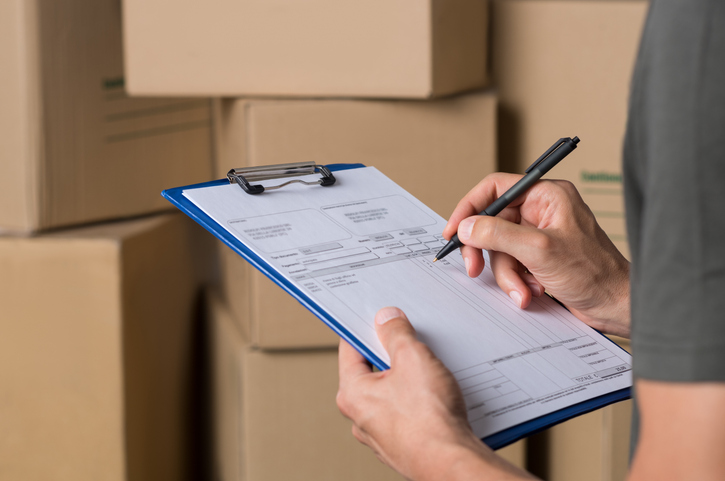
Fumigation is often one step in the broader biosecurity clearance process. Our biosecurity team manages the full pathway.
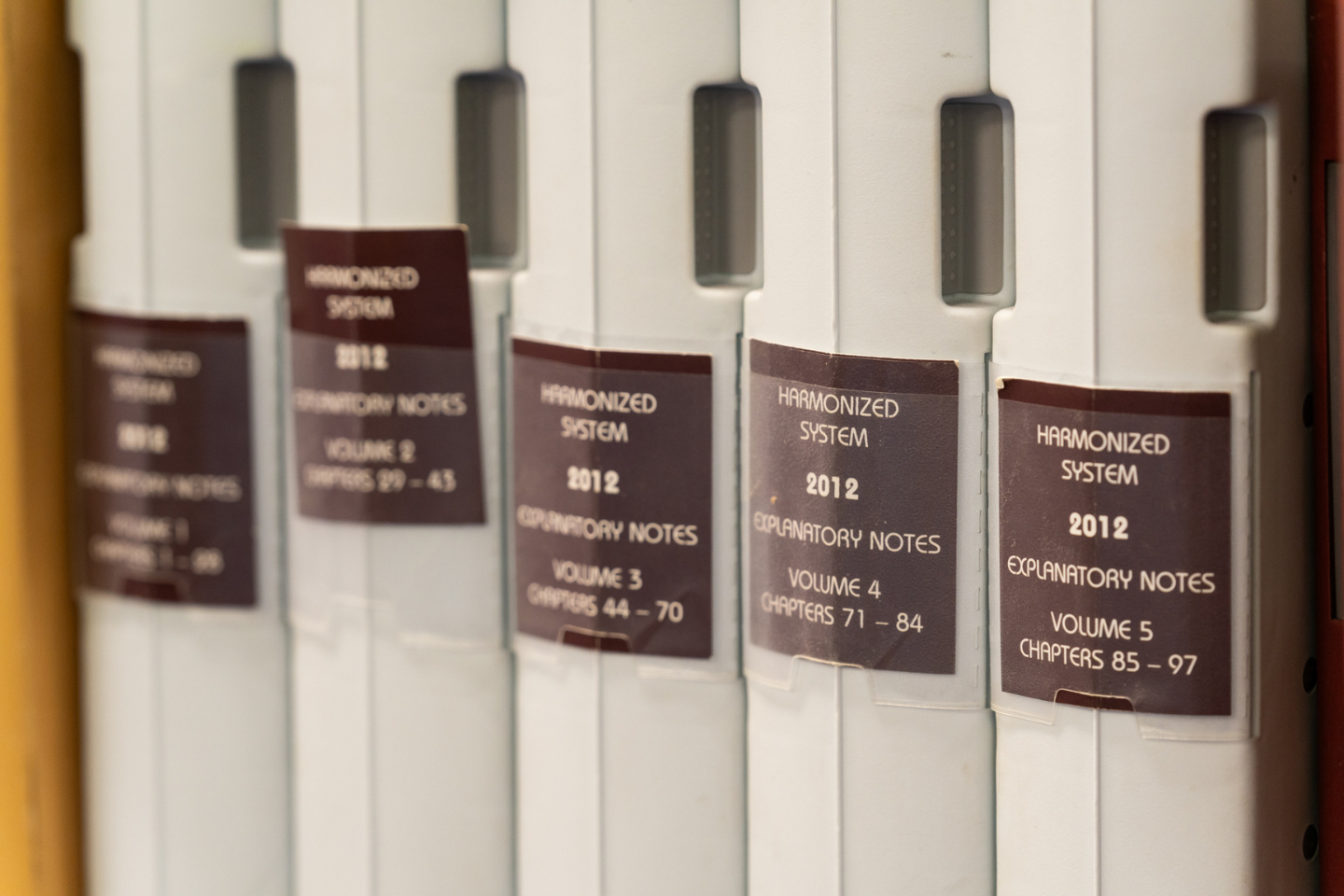
We handle customs clearance alongside biosecurity and fumigation to ensure your cargo clears the border as a single, coordinated process.
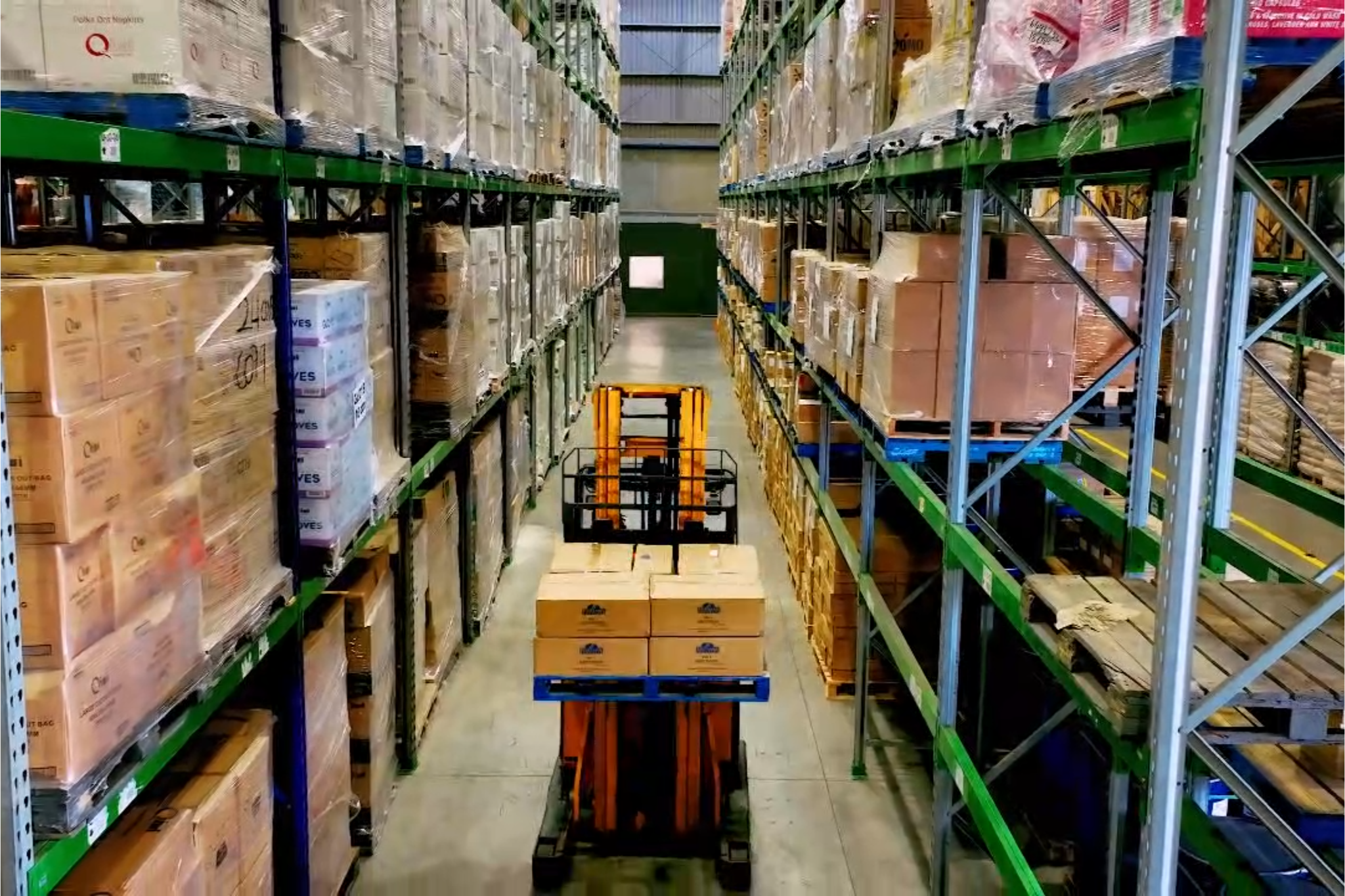
Post-clearance storage in our warehouse facilities, connected directly to the fumigation and biosecurity process.